Choosing an SEO Company in Vadodara is not just about finding a team that can…
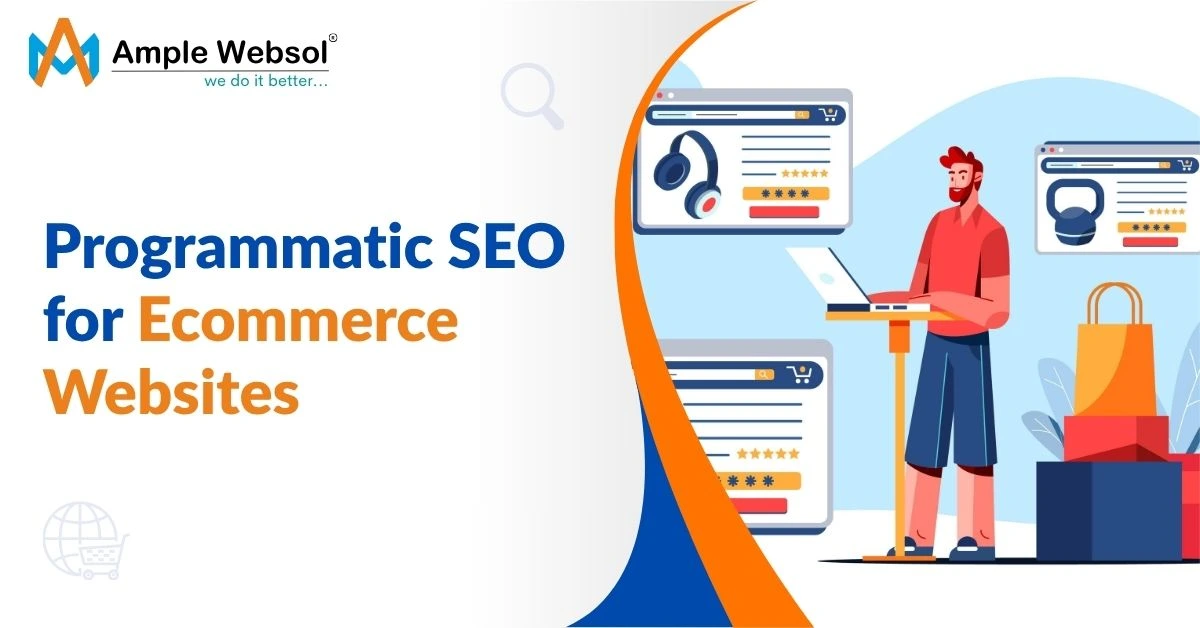
Ecommerce websites often have hundreds or thousands of products, categories, brands, and variations. Optimizing every page manually can be time-consuming. Programmatic SEO for Ecommerce Websites helps businesses create and optimize multiple useful pages at scale while targeting relevant search queries.
When combined with a strong Ecommerce SEO Strategy, programmatic SEO can increase organic traffic, improve product visibility, attract high-intent shoppers, and support long-term ecommerce growth. However, the focus should always be on creating useful pages for customers rather than generating large numbers of similar pages.
Table of Contents
hide
What Is Programmatic SEO for Ecommerce?
Programmatic SEO is an SEO approach that uses structured data, templates, and automation to create multiple search-optimized pages efficiently. It is particularly useful for ecommerce websites because online stores naturally contain large amounts of product and category data.
For example, an ecommerce store selling furniture could create relevant pages such as:
- Office Chairs
- Ergonomic Office Chairs
- Black Office Chairs
- Ergonomic Office Chairs for Home
- Adjustable Office Chairs
Each page should target a specific search intent and provide useful information to shoppers.
The objective is not simply to create more URLs. A successful programmatic SEO strategy creates relevant, useful, and well-optimized pages that can rank for valuable search queries.
Why Is Programmatic SEO Important for Ecommerce?
Large ecommerce websites have thousands of potential search opportunities. Customers don’t always search for broad terms such as “shoes” or “office furniture.” They often use specific searches based on product type, features, brands, materials, sizes, or use cases.
Programmatic SEO allows businesses to target these long-tail searches more efficiently.
Benefits of Programmatic SEO
- Expands organic search visibility
- Targets long-tail keywords
- Helps reach customers with specific needs
- Improves product discovery
- Creates scalable SEO opportunities
- Supports ecommerce sales and conversions
- Strengthens website architecture
For ecommerce businesses with large inventories, this approach can become an important part of their overall Ecommerce SEO Services strategy.
How Does Programmatic SEO Work?
A successful programmatic SEO campaign combines keyword research, structured product data, content templates, technical SEO, and continuous monitoring.
| Step | What It Involves |
| Keyword Research | Find valuable search patterns |
| Data Collection | Organize product and category information |
| Page Planning | Identify pages worth creating |
| Templates | Build scalable page structures |
| Content | Add useful and relevant information |
| Technical SEO | Optimize URLs, indexing, schema, and speed |
| Monitoring | Track rankings, traffic, and conversions |
The process may be automated, but SEO decisions should still be reviewed by experienced professionals.
Ready to Grow Your Ecommerce Store? Contact Us today for expert Ecommerce SEO Services and a scalable SEO strategy built around your business goals.
Programmatic SEO vs Traditional SEO
Both approaches have their place in a successful ecommerce SEO campaign.
| Traditional SEO | Programmatic SEO |
| Manually optimized pages | Template-based pages |
| Highly customized | Data-driven |
| Slower to scale | Easier to scale |
| Ideal for priority pages | Ideal for scalable opportunities |
| More manual work | More automation |
The best approach is often to combine both. Use traditional SEO for your homepage, major categories, key products, and important content. Use programmatic SEO for carefully selected opportunities that can genuinely benefit users.
Common Programmatic SEO Mistakes
Poor implementation can create more problems than benefits. Some common mistakes include:
- Creating thousands of low-value pages
- Targeting keywords without search intent
- Publishing duplicate content
- Indexing empty categories
- Creating unnecessary URLs
- Ignoring canonical tags
- Weak internal linking
- Poor website speed
- Using AI content without quality checks
- Focusing on page quantity instead of customer value
A successful Programmatic SEO Strategy should always prioritize quality, relevance, and user experience.
How to Measure Programmatic SEO Success?
Publishing pages is only the beginning. You need to monitor how those pages perform.
| Metric | What It Shows |
| Organic Traffic | Visitors coming from search |
| Impressions | Search visibility |
| Keyword Rankings | Position in search results |
| Organic CTR | Search-result engagement |
| Indexed Pages | Pages included in Google’s index |
| Conversions | Leads or purchases |
| Revenue | Business impact |
| Crawl Errors | Technical SEO problems |
Google Search Console, Google Analytics, and ecommerce analytics can help you understand which pages are generating valuable traffic and sales.
Programmatic SEO Checklist for Ecommerce
Before launching a programmatic SEO campaign, make sure you have:
- Clear keyword research
- Genuine search intent
- Accurate product data
- Useful page templates
- Unique content
- SEO-friendly URLs
- Strong internal linking
- Canonical tags
- XML sitemap
- Relevant schema markup
- Mobile-friendly design
- Fast page speed
- Indexing controls
- Regular SEO monitoring
Frequently Asked Questions
Programmatic SEO for Ecommerce Websites is a scalable SEO method that uses templates, structured data, and automation to create useful pages targeting relevant product, category, brand, feature, or location-based searches.
Yes. Programmatic SEO can help large ecommerce websites target thousands of relevant long-tail searches. Its success depends on creating useful pages rather than generating large numbers of repetitive pages.
A well-planned programmatic SEO strategy can expand organic search visibility and attract highly targeted visitors. Results depend on search demand, competition, content quality, technical SEO, and website authority.
Yes. AI can support keyword research, content planning, product categorization, and SEO analysis. However, AI-generated content should be reviewed and improved to ensure it provides genuine value.
The most common mistakes include duplicate content, thin pages, poor search intent, unnecessary URLs, weak internal linking, poor indexing controls, and creating pages without enough useful content.
Conclusion
Programmatic SEO for Ecommerce Websites can be a powerful way to scale organic visibility and reach more potential customers. The key is to combine automation with smart keyword research, useful content, strong technical SEO, internal linking, and careful indexing.
Instead of creating thousands of pages just for the sake of SEO, focus on creating pages that genuinely help customers find, compare, and purchase products. When implemented correctly, programmatic SEO can support higher rankings, more organic traffic, better product discovery, and sustainable Ecommerce Growth.

Related Posts