Want your website to appear higher on Google and attract more potential customers? SEO Services…
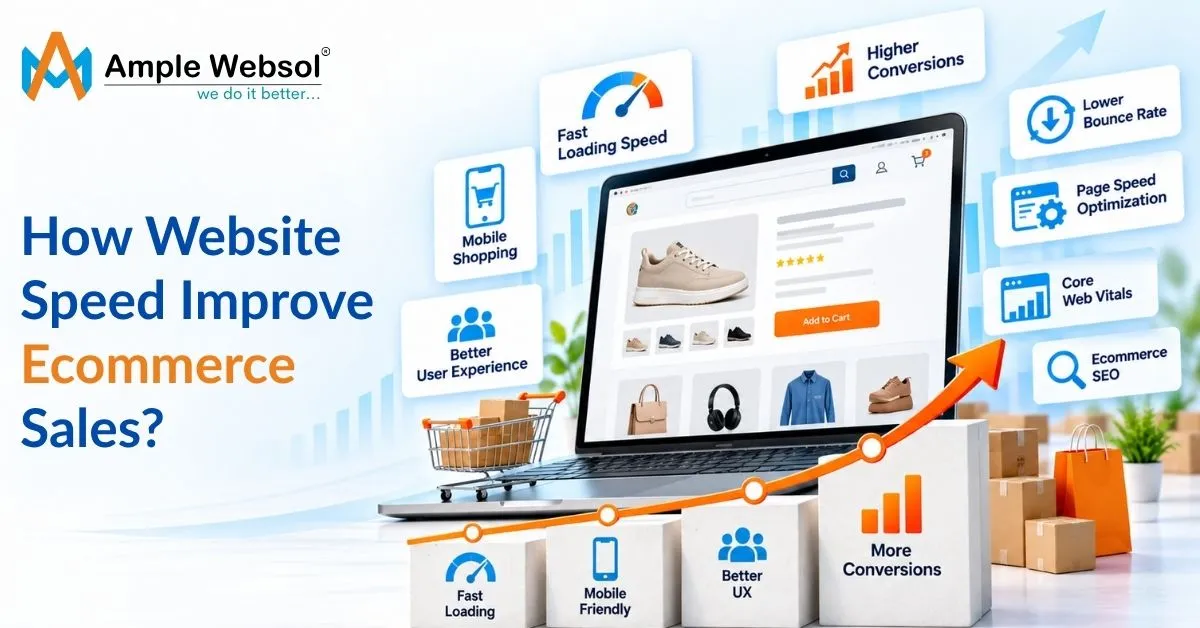
Website speed plays an important role in ecommerce success. When customers visit an online store, they expect product pages to load quickly, images to appear properly, and the checkout process to work smoothly. If a website takes too long to load, visitors may leave without exploring products or completing their purchases.
A fast ecommerce website provides a better shopping experience, keeps customers engaged, and can help improve conversions. With effective website speed optimization, businesses can improve website performance, support SEO efforts, and create a smoother path from product discovery to purchase.
Table of Contents
hide
1. Reduces Shopping Cart Abandonment
Customers expect a quick and simple checkout process. If cart pages or payment steps load slowly, shoppers may lose patience and abandon their orders.
Improving website speed across product pages, shopping carts, and checkout pages helps reduce unnecessary delays. A fast and easy checkout experience can make it more convenient for customers to complete their purchases.
2. Improves the Mobile Shopping Experience
Many customers shop online using smartphones. Slow-loading images, complicated navigation, and heavy website elements can make mobile shopping frustrating.
Mobile website speed optimization helps customers browse products, check prices, add items to their carts, and complete purchases more easily. A responsive and fast ecommerce website can support a better experience across different devices.
3. Helps Improve Conversion Rates
Website visitors are more likely to continue shopping when pages respond quickly and important information is easy to access. Slow product pages may interrupt the buying journey and reduce customer engagement.
A well-optimized ecommerce website helps customers move smoothly between product categories, product details, cart pages, and checkout. However, speed alone does not guarantee more sales; product quality, pricing, trust, and checkout usability also matter.
4. Supports Ecommerce SEO and Google Rankings
Website speed is an important consideration in technical SEO and page experience. Google uses Core Web Vitals to assess aspects of loading performance, responsiveness, and visual stability.
A fast website can support your overall SEO strategy by providing a better user experience. To improve ecommerce SEO, businesses should combine website speed optimization with relevant product descriptions, useful content, proper internal linking, and a mobile-friendly website structure.
5. Builds Customer Trust
Customers expect professional online stores to work smoothly. Pages that load quickly, display product images correctly, and respond properly to user actions create a more reliable shopping experience.
When customers can browse and purchase without frustrating delays, they may feel more confident using the website. Combined with secure payments, clear return policies, and transparent pricing, good website performance can support customer trust.
Why Is Website Speed Important for Ecommerce?
Website speed affects how customers interact with an online store. A slow website can frustrate visitors, while a fast-loading website makes it easier to browse products, compare prices, and complete orders.
Here are some key benefits of improving ecommerce website speed:
- Better user experience: Customers can browse products without unnecessary delays.
- Improved conversion rates: A smoother shopping experience can encourage more visitors to complete purchases.
- Lower bounce rates: Faster pages may help visitors stay longer and explore more products.
- Better mobile shopping: Quick-loading pages make shopping easier on smartphones.
- Improved SEO performance: Website speed and page experience contribute to a strong SEO strategy.
- Greater customer satisfaction: A reliable website helps build trust and encourages repeat visits.
Need a Faster Ecommerce Website? Contact Us for professional website development and SEO services designed to support your online business growth.
Website Speed Optimization Techniques for Ecommerce Websites
Businesses can improve ecommerce website performance by addressing common speed issues.
| Website Optimization Technique | How It Helps |
| Image Optimization | Reduces image file sizes while maintaining suitable visual quality. |
| Browser Caching | Helps returning visitors load certain resources more quickly. |
| Code Minification | Reduces unnecessary CSS, JavaScript, and HTML code. |
| Fast Web Hosting | Provides the infrastructure needed for reliable website performance. |
| Content Delivery Network (CDN) | Delivers eligible website resources from servers closer to visitors. |
| Mobile Optimization | Improves usability and performance on mobile devices. |
| Reduce Unnecessary Plugins | Limits extra scripts and resources that can slow down pages. |
| Database Optimization | Helps improve performance on websites that rely on database queries. |
| Lazy Loading | Delays loading selected images and other resources until they are needed. |
| Checkout Optimization | Reduces unnecessary steps and performance delays during purchase. |
The right combination of improvements depends on your ecommerce platform, hosting setup, website design, and current performance issues.
How to Check Your Ecommerce Website Speed?
Before making changes, measure your website’s current performance. This helps identify the pages and elements that need attention.
You can use these tools:
- Google PageSpeed Insights: Checks page performance and provides optimization recommendations.
- Google Search Console: Helps monitor Core Web Vitals issues across eligible website pages.
- Chrome Lighthouse: Provides performance audits and practical improvement suggestions.
Test important pages separately, including your homepage, category pages, product pages, shopping cart, and checkout where testing is possible. Focus on real user experience and the issues that have the greatest impact.
Common Ecommerce Website Speed Mistakes
Avoid these common problems when developing or managing an online store:
- Uploading large, unoptimized product images.
- Using too many plugins or third-party scripts.
- Choosing hosting that cannot handle website traffic.
- Ignoring mobile website performance.
- Loading unnecessary scripts on every page.
- Using complicated animations that affect performance.
- Failing to test website speed after updates or redesigns.
Regular performance monitoring and maintenance can help identify problems before they negatively affect the shopping experience.
Frequently Asked Questions
Website speed affects how easily customers browse products and complete purchases. Faster pages can reduce delays and improve the shopping experience, which may support better conversion rates.
A useful target is to make important pages load quickly and meet Google’s Core Web Vitals recommendations. Google recommends an LCP of 2.5 seconds or less, INP of 200 milliseconds or less, and CLS of 0.1 or less, measured at the 75th percentile of page visits.
Yes. Website speed and related page experience metrics are part of a broader SEO picture. However, improving speed alone does not guarantee higher Google rankings.
You can start by optimizing images, reducing unnecessary scripts, using effective caching, choosing suitable hosting, improving mobile performance, and monitoring Core Web Vitals.
Website speed optimization can remove performance barriers that interrupt shopping and checkout. Actual sales improvements depend on other factors, including product demand, pricing, website usability, and customer trust.
Conclusion
Website speed is an important part of ecommerce website development and online business growth. A fast, responsive, and user-friendly store makes it easier for customers to browse products and complete purchases. It can also support technical SEO, mobile usability, and customer satisfaction.
Businesses should regularly monitor website performance and fix issues that slow down important shopping pages. Combining website speed optimization with effective ecommerce SEO and a smooth checkout experience can help create better conditions for long-term sales growth.

Related Posts