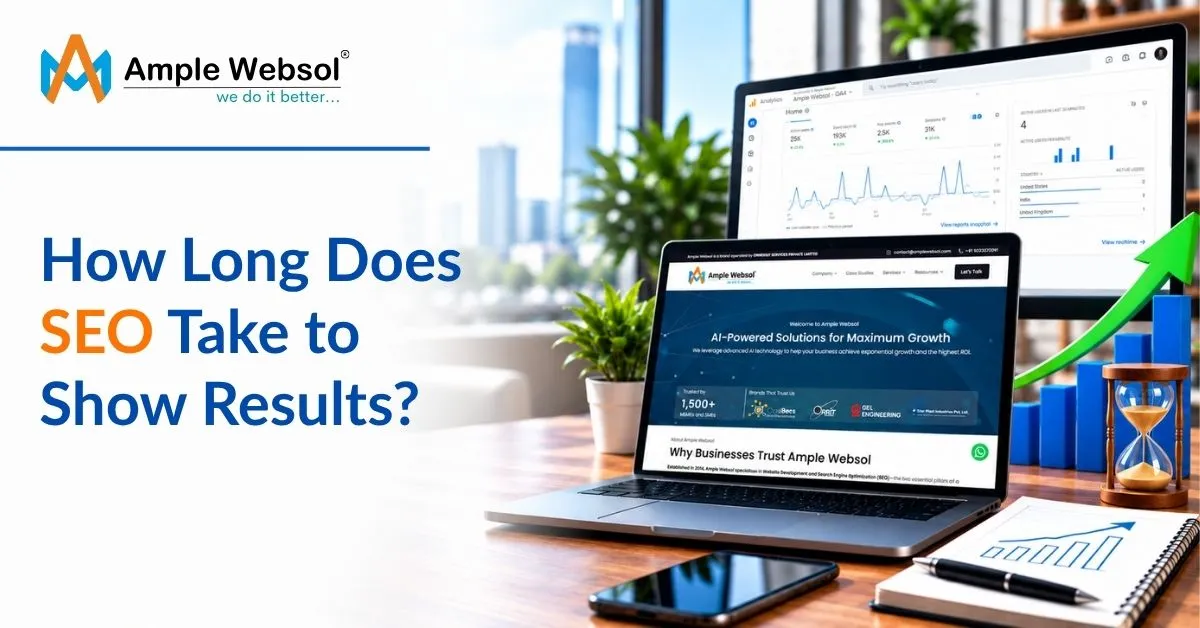
One of the first questions businesses ask after starting SEO Services is, “How long does…

SEO is no longer guesswork—it’s a data-driven strategy. With constant algorithm updates and user behavior shifts, using analytics to drive SEO decisions is essential for long-term success. By tracking the right data, you can uncover what’s working, what’s not, and where to focus your efforts for maximum ROI.
Key Metrics to Track for SEO Success
- Organic Traffic: Measure how many visitors are coming from search engines. A rise indicates that your SEO strategies are working.
- Bounce Rate: A high bounce rate can signal irrelevant content or a poor user experience. Analyze which pages have the highest bounce rate and optimize them.
- Average Session Duration: Time spent on site shows how engaging your content is. Longer sessions = higher engagement = better SEO signals.
- Keyword Rankings: Monitor how your target keywords perform over time using tools like Google Search Console or Ahrefs.
- Click-Through Rate (CTR): CTR tells you how effective your titles and meta descriptions are. Low CTR? You may need to rewrite for clarity or add stronger calls to action.
- Pages Per Session: More pages per session can mean better internal linking and content relevance.
Want to turn your SEO data into real results? Contact us today to get expert help analyzing and optimizing your SEO strategy.
Tools to Use
- Google Analytics 4 (GA4) – Tracks user behavior, traffic sources, conversions, and more.
- Google Search Console – Offers insight into keyword performance, indexing issues, and CTR.
- SEMRush / Ahrefs – Track keyword rankings, backlinks, and competitor data.
- Hotjar / Microsoft Clarity – Understand how users interact with your site using heatmaps and session recordings.
How to Use Data to Improve SEO
- Identify Top-Performing Content and replicate what’s working.
- Pinpoint Drop-Off Points and fix UX or speed issues.
- Track Conversions from Organic Traffic to measure SEO ROI.
- Refine Keyword Strategy based on performance data.
- Optimize Low-CTR Pages with better headlines and meta descriptions.
Frequently Asked Questions
Analytics helps identify what content works, where users drop off, and how to improve site performance for better search visibility.
Google Analytics and Search Console are the most commonly used tools for tracking SEO performance and user behavior.
Analytics gives insights, but improvements come from acting on that data—like optimizing content, improving UX, and refining keywords.
Organic traffic and keyword rankings are essential, but CTR and bounce rate provide context for content effectiveness.
Conclusion
In today’s competitive digital landscape, relying on intuition alone won’t cut it—analytics is the backbone of smart SEO decisions. By tracking meaningful metrics like traffic, engagement, and keyword performance, you gain clear insights into what’s working and what needs improvement. These data-driven insights empower you to fine-tune your content, enhance user experience, and drive better rankings and conversions. The more informed your strategy, the more sustainable your SEO success will be.

Related Posts