Website development and technical SEO work closely together. A well-developed website makes it easier for…

The SEO landscape is constantly evolving—what worked last year may not work now. With Google introducing Search Generative Experience (SGE), focusing more on EEAT, and user behavior shifting toward voice and visual search, marketers must build an SEO strategy that’s not just reactive—but future-proof.
A future-proof SEO strategy in 2025 ensures you remain visible, relevant, and trusted in search—no matter how algorithms change.
Core Elements of a Future-Proof SEO Strategy
1. Embrace EEAT: Experience, Expertise, Authoritativeness, Trust
Google prioritizes content that demonstrates real-world expertise and trust.
- Add author bios and credentials
- Include external references and data
- Maintain transparent site policies (privacy, contact, etc.)
- Keep content regularly updated
EEAT isn’t optional in 2025—it’s foundational to your rankings.
2. Optimize for Google SGE (Search Generative Experience)
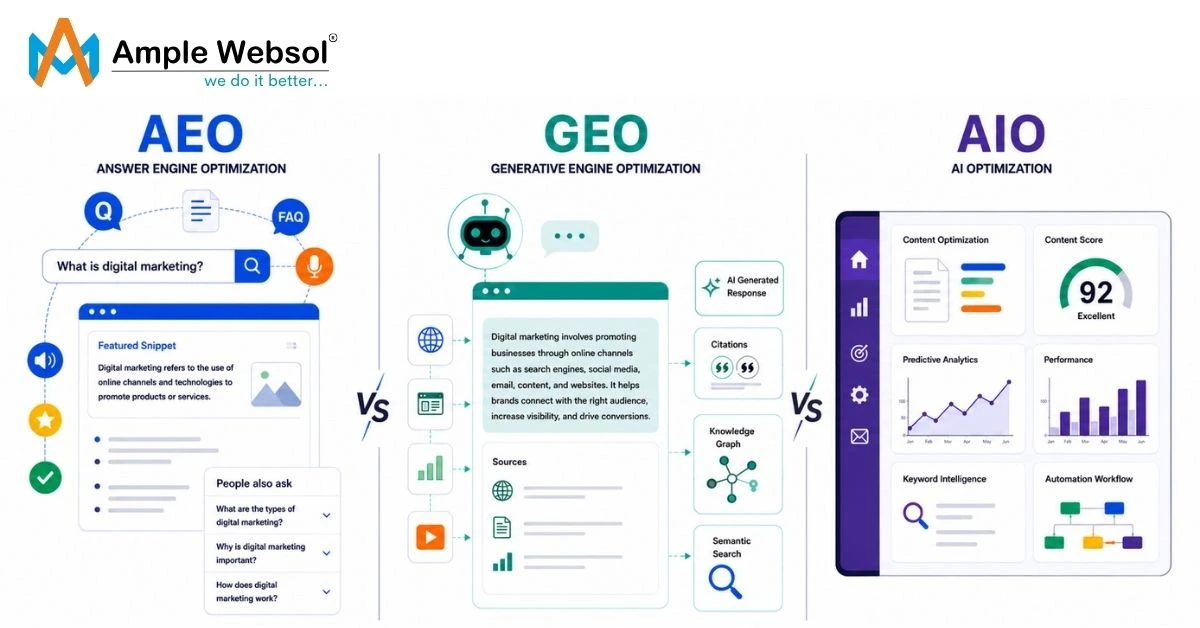
SGE integrates AI-generated summaries in SERPs. To appear here:
- Use question-based subheadings
- Provide clear, concise, fact-based answers
- Implement FAQ and HowTo schema markup
- Ensure content depth and semantic coverage
3. Prioritize Search Intent & User Experience
Rankings in 2025 depend on how well your content matches search intent and satisfies the user.
- Align each page with intent types: informational, navigational, transactional
- Use short paragraphs, bullet points, and clear headings
- Optimize for mobile-first experiences
4. Structure Your Content with Topic Clusters
Google now understands topics, not just keywords.
- Create pillar pages for broad terms
- Link cluster articles that explore subtopics
- Use semantic keywords and entities
Example: A pillar on “Digital Marketing” with clusters like “SEO for Startups,” “Content Strategy,” and “Analytics Tools.”
5. Invest in Technical SEO & Core Web Vitals
Strong SEO performance requires a technically sound website.
- Optimize for Largest Contentful Paint, Cumulative Layout Shift, Interaction to Next Paint
- Use responsive design
- Minimize JavaScript and CSS bloat
- Submit XML sitemaps and fix crawl errors
Want to future-proof your SEO? Contact us today to build a strategy that keeps your site ranking—no matter what Google updates next.
6. Implement Schema Markup Across Pages
Schema.org helps search engines interpret your content.
- Add FAQ, HowTo, Article, Product, and Breadcrumb markup
- Boosts visibility in rich results and AI-generated snippets
7. Create Human-First, AI-Supported Content
AI tools like ChatGPT can help with:
- Blog outlines and keyword suggestions
- Meta title/description creation
- Competitor analysis
But the core of SEO content must be written or reviewed by humans, with unique insights and expertise.
8. Visual & Voice Search Optimization
Adapt to growing visual and voice search trends:
- Use descriptive alt text and WebP images
- Include conversational language and long-tail queries
- Structure content to answer direct questions
9. Local & International SEO Optimization
If you serve multiple locations or countries:
- Use hreflang tags
- Create geo-specific landing pages
- Optimize Google Business Profiles
- Encourage local reviews and backlinks
10. Monitor & Adapt Using Analytics
Use real-time SEO data to refine your strategy.
- Google Search Console: impressions, CTRs, indexing
- GA4: user engagement, conversion paths
- SEO tools (Ahrefs, SEMrush, etc.): keyword movement, backlinks
Checklist for 2025 SEO Readiness
- EEAT-optimized content
- Semantic keywords & topic clusters
- Structured data markup
- Core Web Vitals improvement
- Mobile-first & fast loading
- Voice and image search readiness
- AI-assisted (not AI-replaced) content
- Location-specific pages (if applicable)
- Data-driven updates
Frequently Asked Questions
A future-proof SEO strategy is one that adapts to algorithm updates, user trends, and tech shifts—without needing constant reinvention.
Google uses EEAT to evaluate content trustworthiness. It directly affects rankings, especially for finance, health, and education topics.
Yes. Tools like ChatGPT can assist in content planning, outlines, and optimization—but human review is essential.
SGE (Search Generative Experience) is Google’s AI-powered search. Optimizing for SGE improves visibility in AI-generated summaries.
Core Web Vitals are key performance metrics that influence user experience and rankings. Sites that load fast and function smoothly rank higher.
Conclusion
To build a future-proof SEO strategy in 2025, you need a blend of technical excellence, content depth, AI awareness, and user-centricity. The most successful websites will be those that earn trust, adapt quickly, and understand the intent behind every search.
Focus on quality, clarity, and consistency—and your rankings will follow.

Related Posts