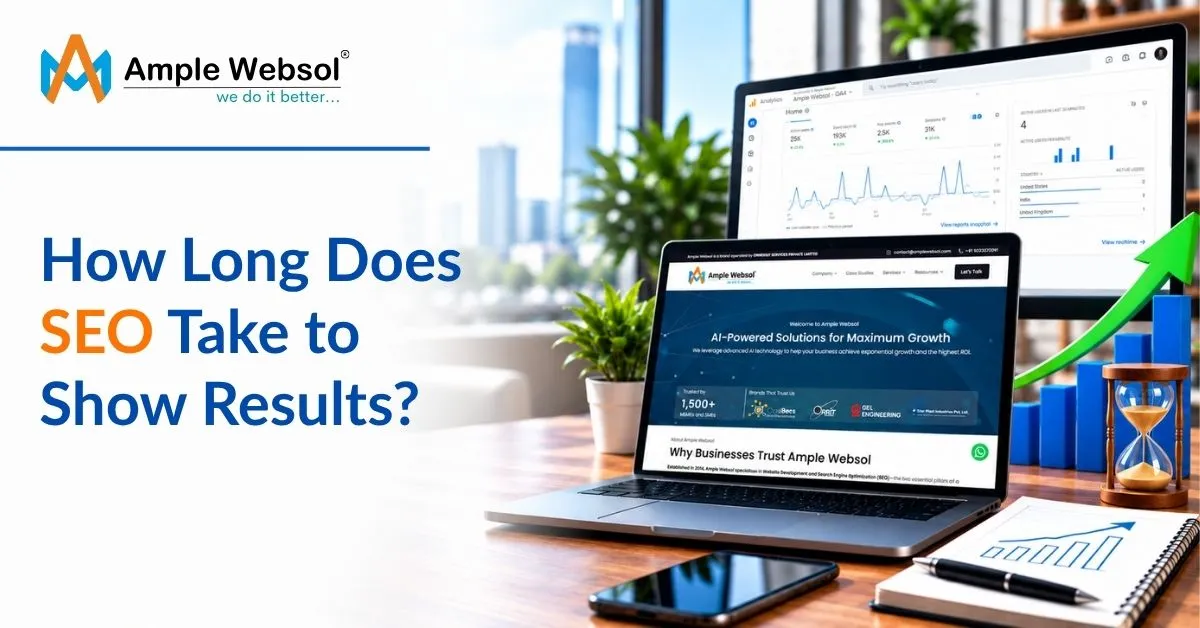
One of the first questions businesses ask after starting SEO Services is, “How long does…

In the ever-evolving world of digital marketing, long-term SEO success is not about shortcuts or temporary wins. It’s about building a sustainable online presence that consistently drives organic traffic, improves search rankings, and increases conversions. Whether you’re a business owner, marketer, or SEO professional, understanding what it takes to maintain strong rankings over time is essential.
In this blog, we’ll explore proven strategies to help you achieve lasting success in search engine optimization.
Table of Contents
hide
1. Focus on High-Quality Content
Content is still king—but not just any content. Google prioritizes authoritative, relevant, and helpful information. Focus on:
- Answering user intent clearly
- Providing comprehensive information
- Updating old posts with new data
- Using a natural tone and structure
Tip: Use tools like Surfer SEO or Clearscope to optimize your content for topical relevance.
2. Perform Keyword Research with Intent in Mind
Long-term SEO success starts with targeting the right keywords. Instead of chasing high-volume, competitive terms, focus on:
- Long-tail keywords with clear intent
- Local keywords if your business serves specific areas
- Semantically related keywords
Tools to use: Google Keyword Planner, Ahrefs, SEMrush, Ubersuggest.
3. Build a Strong Technical SEO Foundation
Without a solid technical base, your content won’t rank well—no matter how good it is. Make sure to:
- Use a mobile-friendly and fast-loading website
- Optimize crawlability with a proper robots.txt and XML sitemap
- Fix broken links, redirects, and duplicate content
- Ensure secure (HTTPS) browsing
Pro tip: Run regular audits using Google Search Console and Screaming Frog SEO Spider.
4. Earn Authoritative Backlinks
Backlinks are still one of Google’s top ranking factors. But for sustainable SEO growth, focus on earning links, not just building them.
- Create link-worthy assets like guides, tools, and original research
- Reach out to industry blogs for guest posting
- Get featured in directories, interviews, and podcasts
White-hat link building helps avoid penalties and boosts your domain authority over time.
Need help implementing a long-term SEO strategy? Contact us SEO experts today for a personalized consultation.
5. Optimize for User Experience (UX)
A smooth user experience directly influences SEO metrics such as dwell time, bounce rate, and conversions. Focus on:
- Fast load times (under 3 seconds)
- Clean navigation and layout
- Accessible content (including alt text, readable fonts)
- Clear CTAs and internal linking
Google’s Core Web Vitals are now a ranking factor, so make UX a priority.
6. Monitor, Measure, and Adapt
SEO is not a one-time task—it’s an ongoing process. Use analytics to track your progress and pivot as needed.
- Track keyword rankings, traffic sources, and goal conversions
- Use Google Analytics, Google Search Console, and Ahrefs for insights
- Adapt your strategy based on data and industry changes
Staying proactive keeps your SEO strategy resilient and responsive.
7. Stay Updated with Algorithm Changes
Google makes thousands of updates to its search algorithm every year. Stay informed through:
- Google’s official Search Central Blog
https://developers.google.com/search/blog - Industry-leading websites like Search Engine Journal, Moz, and Search Engine Land
- SEO forums and newsletters
Adapting early gives you a competitive edge and protects your rankings.
Frequently Asked Questions
Long-term SEO wins because it builds sustainable organic growth. Unlike short-term tactics that may give temporary boosts, a consistent SEO strategy develops trust, authority, and better rankings over time. As your content matures and backlinks grow, search engines reward you with increased visibility and higher traffic—without paying for every click.
A long-term SEO strategy offers several benefits, including:
- Compounding organic traffic growth
- Higher credibility and trust from users
- Reduced dependency on paid ads
- Better ROI compared to short-term campaigns
- Stable search rankings despite algorithm changes
These benefits make SEO a core pillar of digital marketing success.
SEO is a long-term investment because it takes time to build authority, generate quality content, and earn backlinks. However, once established, SEO becomes a sustainable channel that continuously drives traffic, leads, and conversions without recurring ad spend. This cumulative effect supports long-term business growth and brand positioning.
You need a long-term SEO strategy to stay competitive, build trust with your audience, and future-proof your online presence. Google favors websites that consistently provide value, so maintaining a regular SEO effort ensures your site meets evolving ranking criteria, adapts to algorithm updates, and stays ahead of competitors.
Your long-term SEO matters because it’s directly tied to your brand’s digital visibility and success. With more consumers relying on search engines to make purchasing decisions, having a well-optimized and consistently updated website helps you attract, engage, and retain your target audience over time.
Conclusion
Achieving long-term SEO success isn’t about gaming the system—it’s about creating real value, ensuring a solid technical base, and continually optimizing based on insights and trends. By committing to consistent improvements and user-focused strategies, your website can become a lasting authority in your niche.

Related Posts